
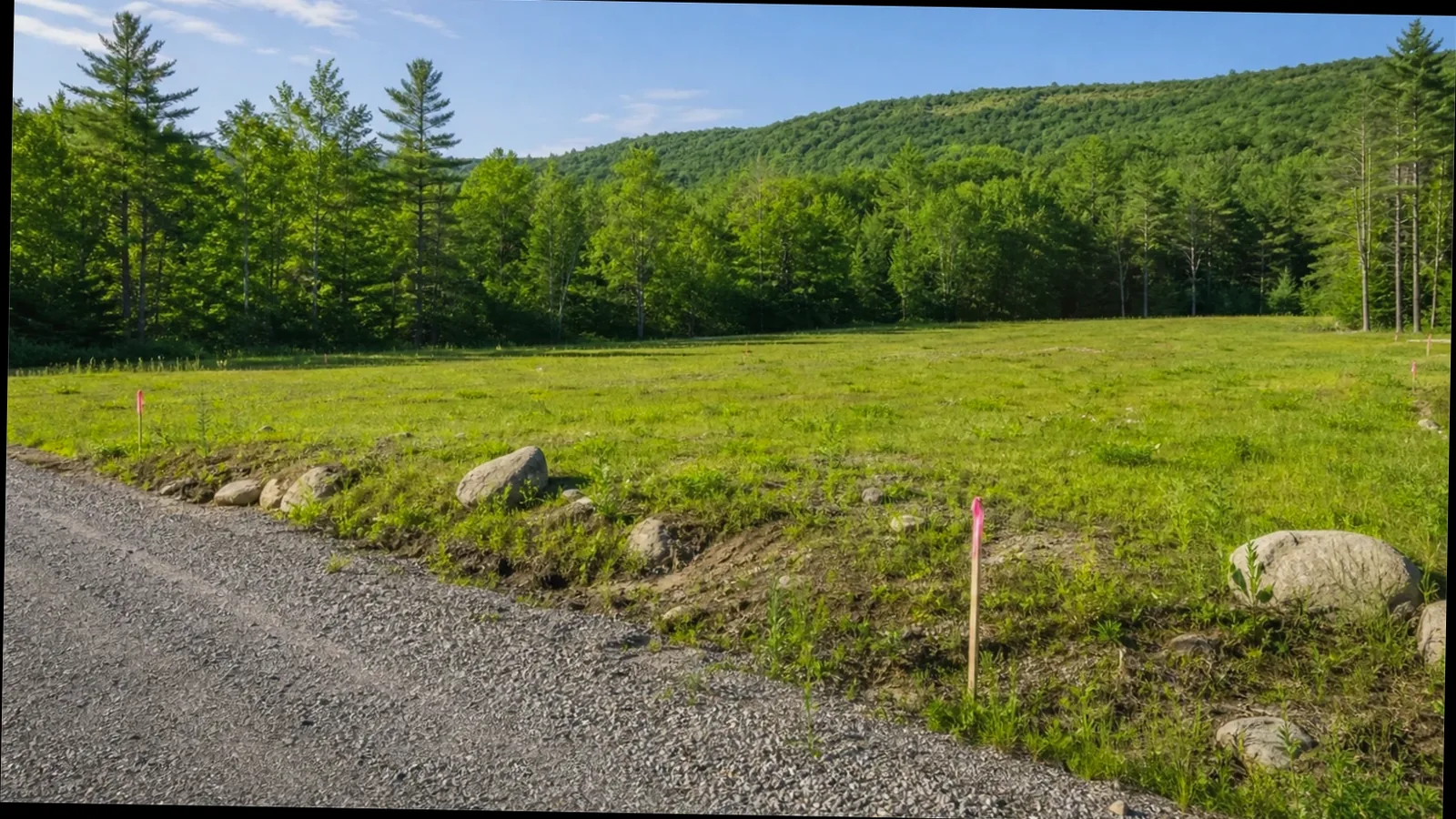
Selling Land to a Developer in Michigan
A developer may evaluate your Michigan parcel through a different lens than an individual owner. Access, utilities, zoning, soil, wetlands, lot configuration, and entitlement timing can all affect proposed terms. Clear facts help you assess the offer without overstating what the land can support.

Prepare the parcel facts
Provide the parcel number, legal description, acreage, surveys, recorded easements, prior plans, tax information, and known utility details. If there is a road, identify whether access is public, private, or governed by a recorded easement.
Do not represent zoning, wetlands, septic suitability, or utility capacity as certain unless the responsible agency or qualified professional has confirmed it. A developer will often conduct its own review.

Understand feasibility review
Development agreements often include a due-diligence or feasibility period. The developer may investigate title, survey conditions, zoning, utilities, soil, environmental constraints, financing, and approvals. The agreement should make the period length and termination rights clear.
Government approvals are not guaranteed. A preliminary discussion with a township, city, county, or state agency is not a permit. Keep claims about future divisions or construction conditional unless approvals already exist.
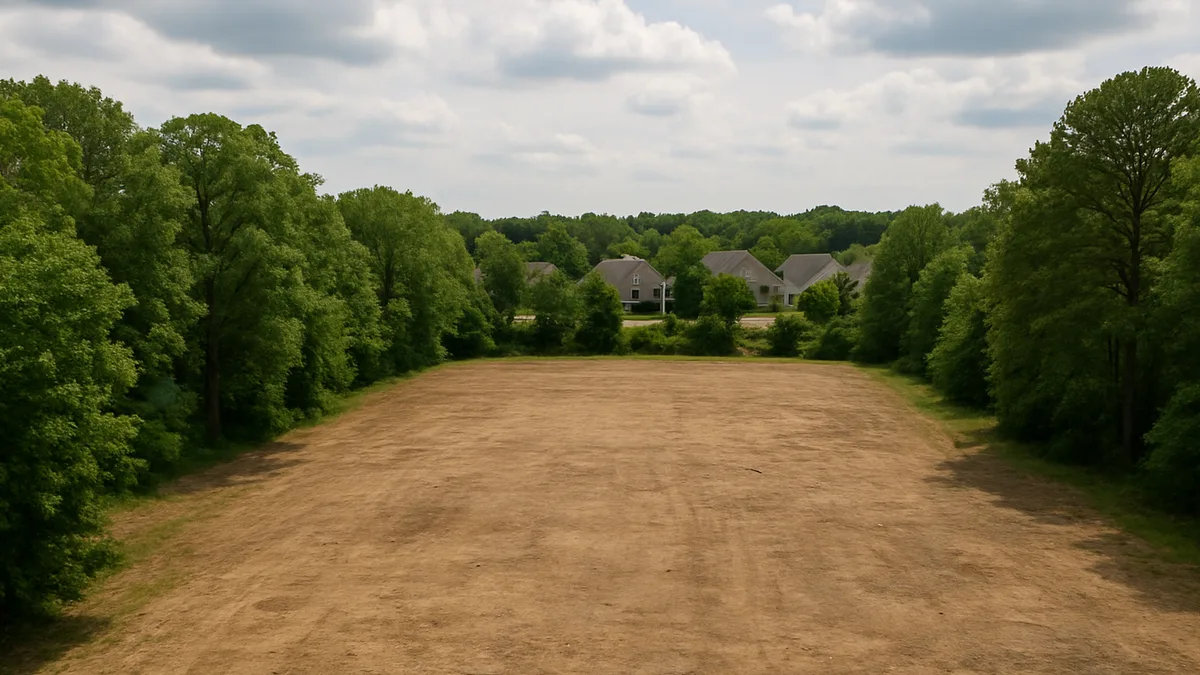
Read the agreement closely
Focus on price, earnest money, due-diligence deadline, extension rights, assignment language, access rights before closing, responsibility for studies, and what happens if the developer does not proceed. If the price changes based on approvals or acreage, understand the formula and evidence used.
A Michigan attorney should review a development purchase agreement before signing. The contract can allocate risk in ways that are not apparent from the offer amount.
Compare the whole proposal
A cash offer with a short defined review period is different from a higher conditional offer tied to future approvals. Ask for a written closing-cost estimate and compare timing, likelihood, and obligations. This article is educational, not legal, tax, engineering, environmental, or land-use advice.
Take a documented next step
Request a written timeline that identifies when studies, municipal discussions, and any extension decisions are due. That lets you see whether the parcel will be tied up while the developer investigates conditions. You can also ask who may enter the land, what notice is required, and whether insurance or restoration obligations apply during the review period.
Start with the parcel facts
To explore a direct land sale, share the parcel location, acreage, and any information about access, utilities, or zoning. Sell Michigan Land can review the facts and provide a no-obligation cash offer without treating a future development concept as a guarantee.
Evaluate a developer proposal as a project, not only a price per acre
Selling land to a developer in Michigan can be attractive when a parcel is near roads, utilities, growing communities, or a planned use that fits local zoning. It can also bring a longer and more conditional sale process than a straightforward vacant-land transaction. A developer usually needs time to study access, wetlands, soils, utilities, zoning, municipal approvals, and market demand before deciding what the land can support.
Give the developer accurate parcel facts: deed, survey, tax information, known easements, utility details, environmental reports, and any prior plans. Do not promise that a site is buildable or approved merely because nearby land was developed. Feasibility review can uncover a setback, floodplain, private road, or infrastructure cost that changes the proposal. Careful disclosure helps the landowner compare real offers rather than inflated preliminary numbers.
Read every condition that affects the seller's control
A developer agreement may include inspection periods, entitlement contingencies, extensions, access rights, option payments, assignment rights, and a right to terminate. Each term affects whether you can market the property to another buyer while the developer investigates. A large headline sale price may be less useful if the developer can walk away late without meaningful consideration.
Ask a Michigan real estate attorney to explain the purchase agreement before you sign. The agreement should identify the exact land, define the due diligence work, require insurance for site visits, set deposit deadlines, and state when money becomes nonrefundable. If the buyer wants an option rather than an immediate land sale, understand the option price, term, renewal rights, and whether it is recorded against the property.
Compare the proposal beyond the offered amount
Look at net proceeds, timing, closing costs, tax implications, risk of extension, and the chance that the buyer will assign the contract. You may also care about how the future project treats access, drainage, adjacent property, or a remaining portion of your land. A land buyer who is transparent about feasibility can be easier to work with than one who uses vague promises about future development value.
Developers can be appropriate buyers for Michigan acreage, infill lots, former farm ground, and land near expanding infrastructure. The owner still benefits from a disciplined process: document the property, obtain written terms, give professionals time to review, and keep control of the parcel until the agreement provides real consideration. That turns developer interest into a decision you can evaluate with confidence.
Give feasibility work a price and a deadline
Development due diligence is not free time. If a developer wants months to study zoning, utility capacity, soil conditions, access, environmental limits, and market demand, the owner can ask for a deposit, option payment, clear milestones, and a defined expiration date. The agreement should say whether the developer may extend the review period, assign the agreement, or record an option against the land.
Compare a developer's price with the probability and timing of performance. A proposal may depend on municipal approval, financing, a subdivision plan, or a future land buyer. Ask what happens to the earnest money if the conditions are not met and whether the developer has the right to enter the property. Insurance, restoration of any test areas, and notice before site access are reasonable landowner protections.
A Michigan real estate attorney can help turn a promising proposal into a contract that preserves choice. The owner should understand the sale price, closing costs, tax consequences, title conditions, and remaining rights in any retained acreage. A well-defined agreement does not make a development certain, but it lets the seller evaluate the proposal on terms that are as concrete as the developer's plans.
Understand the feasibility review
Land to a developer is commonly evaluated through access, zoning, utilities, wetlands, topography, soil, parcel configuration, and approval timing. A developer may request surveys, concept plans, utility details, environmental studies, or time for due diligence. That review does not prove a project will be approved. The township, county, utility provider, or qualified professional should confirm official facts.
Compare the proposal beyond price per acre
The value of your land can depend on development potential, but a higher stated price can include a longer inspection period, rezoning condition, financing contingency, or option structure. Compare price, deposit, option payment, expiration, assignment rights, costs, and remedies if the buyer does not close. Do not assume every acre of agricultural land, woodland, shoreline, or buildable ground has the same value.
Control access and negotiate in writing
If a developer enters the parcel, the agreement should address notice, insurance, restoration, testing scope, and reports. Selling land to developers can involve easements, title objections, utilities, and subdivision approvals. Keep amendments in writing and consult a Michigan real estate attorney before signing an option or development agreement.
Keep the landowner role clear
A landowner can share known records and negotiate a sale without promising a zoning result or utility capacity. If a real estate agent, attorney, engineer, or planner is involved, confirm each person’s role. Clear communication supports a more informed negotiation and prevents an early feasibility idea from being mistaken for an approved development plan.
Developer offer review before a land sale
Developer offer review before a land sale
Selling land to a developer means reviewing zoning and land use, utilities, access, environmental conditions, current market trends, land value, potential for development, and whether developers want the parcel for actual development projects. A real estate developer may ask for rezoning, feasibility review, or assignment rights before purchase land terms become final.
Landowners looking to sell should compare market value, sale of land timing, closing statement details, and the process of selling land with help from a real estate professional or real estate attorney when appropriate. Marketing land to potential developers differs from a direct land sale, because land development risk can change price and timing.
Expanded Seller Checklist for This Topic
Expanded Seller Checklist for This Topic
A seller researching this topic should understand sell land to developers, sell land to a developer, land sale, process of selling land, land to developers in texas, real estate developer, developers want, land developer, landowners looking to sell, zoning and land use, texas landowners, real estate professional, vacant land, real estate development, piece of land, land value, selling to a developer, want to sell, buy land, land’s value, property's, real estate market, market trends, sale process, market value, vacant.
The next review should connect those terms to the parcel file, including listing your property, developers might, land development, raw land, potential developers, market your land, purchase land, owning land, current market, land up for sale, zoning regulations, selling their property, development projects, sale of land, selling process, developers are looking, may want to sell, sell my land, mixed-use, rezoning, potential land, land selling, potential for development, access to utilities, real estate attorney, environmental conditions.
When comparing options, do not skip closing statement, property online, value of your property, sale of your property, help you sell land, consider when selling land, plot of land, higher price, property owners, agricultural land, land details, developer would, many developers, developers want to avoid, sell or lease, developers often, commercial real estate market, residential and commercial, current market trends, money on the table, buildable, properties in your area.
For Michigan land, practical closing questions may include .
Use this list to form questions for the buyer, title company, tax professional, or attorney about .